
Pest Control
Describe the pest, request an estimate, compare your options, then decide, with independent providers doing all the work.
Find signs of pests or wildlife? Request an estimate and get matched with an independent local provider in our network. Review your options first. No obligation.
Three service areas are covered by providers in our network. Pick the one closest to your problem. If you are unsure, start with pest control. A provider can help sort out what you are dealing with.
Describe the pest, request an estimate, compare your options, then decide, with independent providers doing all the work.
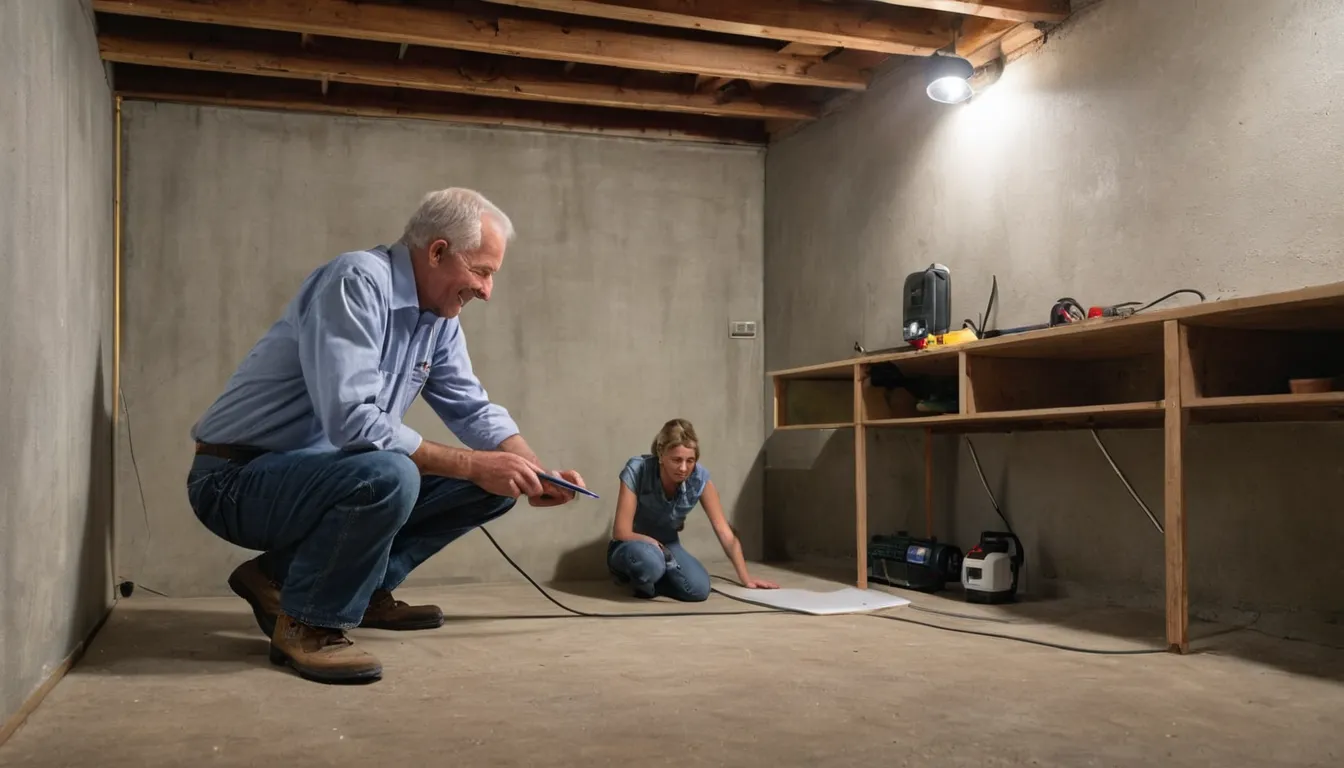
Found signs of termites? Describe what you see, request an estimate, and compare your options before anyone starts work.
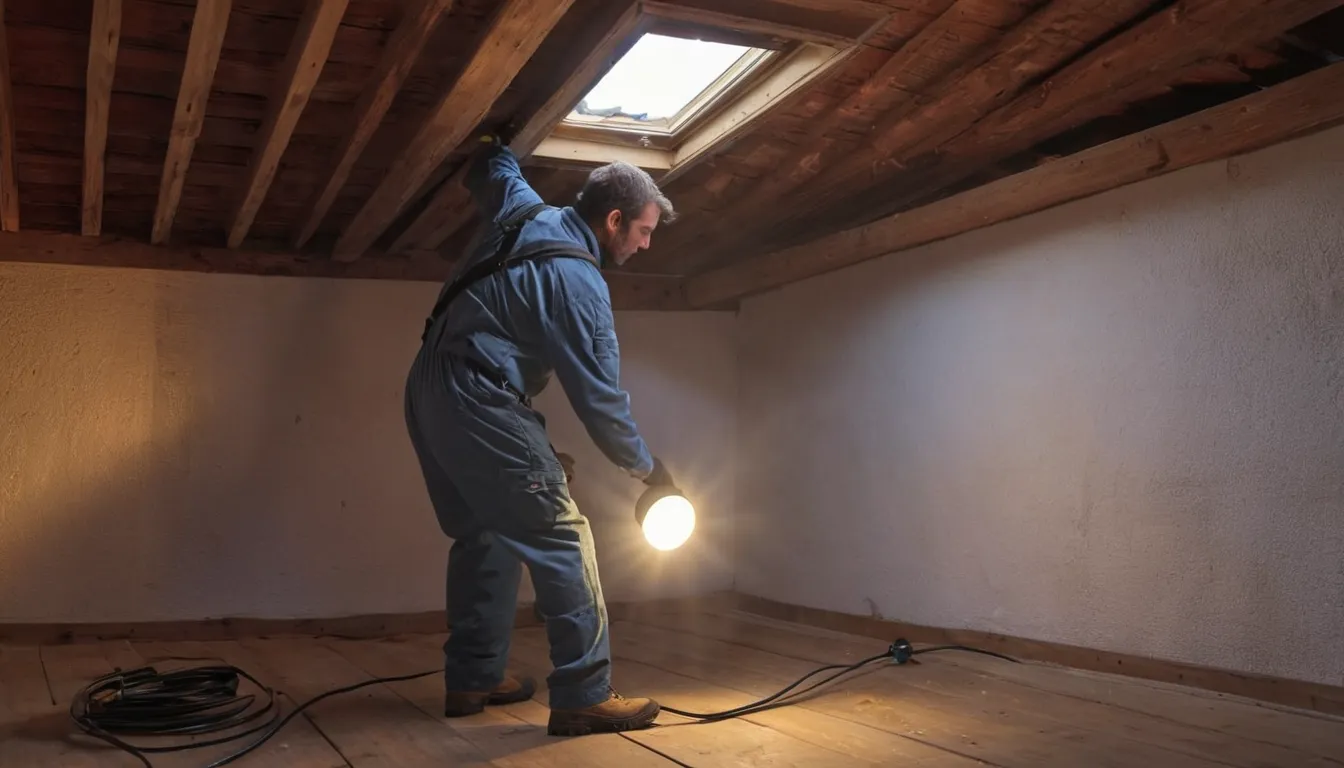
Hear scratching in the walls or attic? Here are clear steps to identify the animal and compare provider options.
Request an estimate on this site. Share your location and what you found. A provider in our network serving your part of the University Park area can then contact you. You compare options and decide with no obligation.
Pest control usually covers insects like ants, roaches, spiders and termites. Wildlife removal covers animals such as mice, rats, squirrels or raccoons. Some providers do both. Describe your problem in the request and a provider can tell you which fits.
Older houses often have settled framing, worn seals, past repairs and gaps around pipes or chimneys. Moisture can also build up in basements and crawl spaces. These spots let pests in. A careful inspection checks them first.
Typical U.S. prices vary by job. A one-time treatment for common pests often costs less than termite treatment or animal exclusion work. House size and how far the problem has spread matter. Always ask for a written quote.
No. Soccervoting Pest Control is a referral service. Independent providers in our network handle inspections, quotes and treatment. We help connect you, and you decide whether to hire anyone. Check each provider's details and ask questions before you agree to work.
Describe the problem and request an estimate. A local provider in our network will follow up. There is no obligation to hire anyone.
No obligationYou get an ordered path: describe the problem, request an estimate, compare options, then decide. Each step is simple and you stay in control.
Aging wood, past repairs and hidden gaps change how pests get in. Providers can plan an inspection around how your house was built.
The pros in our network are independent and work in your area. They inspect, quote and do the work. Soccervoting Pest Control only makes the connection.
Ask what each treatment involves, how long it takes and what it costs. Compare written quotes before you commit. No obligation to hire.
Found droppings in the pantry? Heard scratching in a wall? Spotted winged insects near a window frame? Start here.
Soccervoting Pest Control is a referral service. We do not do the pest work ourselves. We connect homeowners in University Park and the University Park area with independent pest control and wildlife removal providers in our network.
Here is the simple path:
1. Tell us what you found and where in the house. 2. Request an estimate through the form. 3. A local provider reviews your details and gets in touch. 4. You compare the options and choose what fits. There is no obligation.
Older homes need extra thought. Frame houses from many decades have gaps, old repairs and hidden spaces where pests settle in. A provider who knows these houses can check the right places first.
Would you rather talk it through? Request a callback to check provider availability. Hours vary by provider.
Maybe you typed exterminator near me and landed here. Maybe you just want a straight answer about ants, mice or termites. Either way, this page lays out the next steps in order.
Soccervoting Pest Control is a go-between. A homeowner describes a pest or wildlife problem. We pass that request to independent providers in our network. The provider inspects, explains and quotes. The provider also does the work if you hire them.
Soccervoting Pest Control is not a pest control company. We do not send anyone to your door. The independent providers do all inspections and treatments. Think of us as an organized starting point.
1. Describe it. Say what you saw, where, and for how long. 2. Request an estimate. Use the form. It takes a few minutes. 3. Hear from a provider. A local provider contacts you to talk through the problem. 4. Get a written quote. Ask for it before any work begins. 5. Decide. Hire the provider, ask more questions or walk away.
An older house has history. Wood has aged. Past repairs may be patched over. Pipes and wires have been added over the years, and each one can leave a gap. Pests find these paths fast.
When you request an estimate, mention these details if you know them:
These notes help a provider plan a better inspection. They also help you avoid surprises in the quote.
Most pest problems have more than one fix. A provider may suggest a one-time treatment, a repeat schedule, sealing entry points or trapping. Ask what each option involves, how long it takes and what it costs. Then compare.
Providers in our network work in University Park and across the University Park area. Coverage depends on the provider, so the estimate form asks for your location first.
Here is what we help homeowners with:
What should you have ready?
1. Your address or nearest cross streets 2. What you saw, heard or smelled 3. Where in the house it happens 4. Whether the house has a basement, crawl space or attic access 5. Any past treatments you know about
That short list lets a provider arrive with the right questions and the right tools.
Prices vary a lot by pest, house size and how far the problem has spread. A one-time treatment for common pests often costs less than a termite program or animal exclusion work. Always ask for a written quote.
If you want to speak with someone first, request a callback to check provider availability in your part of the University Park area.
Deep frost pushes mice, rats and other animals indoors. They look for warm walls, attics and basements. Fall is a good time to check for gaps.
Heat and moisture help ants, roaches, spiders and crickets thrive. Damp spots near pipes and windows draw them in.
Severe thunderstorms and hail can crack siding, loosen flashing and open small holes in the roof. Pests and wildlife use new gaps quickly. After a storm, look over the roofline and vents.
Rising water drives insects and rodents toward higher ground, often into your house. It can also leave wet wood that attracts termites. Dry out damp areas as soon as it is safe.
Many homes here have full basements with sump pumps. These spaces are cool, damp and quiet. Check the sump cover, floor drains and wall cracks. Pests like all three.
Older wood-frame houses may have settled, shrunk or been patched more than once. Gaps appear around chimneys, porches and utility lines. Wood in contact with soil is a common termite path.
These styles often have low crawl spaces, one-story attics and many exterior doors. That means more edges to check. A provider can show you which ones matter.
Spot something on this list? Request an estimate and describe what you saw.
Ready for the next step? Fill out the short request form. Tell us what you saw and where. A local provider in our network will follow up with questions and a written quote.
There is no obligation. You can compare options before anyone starts work. Prefer the phone? Request a callback to check provider availability. Hours vary by provider.